
EXPLORE OUR SHADE SHEDS
Discover the Full Range
Explore our range of transportable shade sheds, available in a variety of widths and designs to suit your needs. Find the right shade solution for your space.

3170mm Width
Explore our 3170mm wide shade sheds, offering a compact and practical shade solution.
Explore Range
4670mm Width
Discover our 4670mm wide shade sheds, providing additional width and flexibility.
Explore Range
6170mm Width
Browse our 6170mm wide shade sheds, designed for larger coverage requirements.
Explore Range
9000mm Width
Explore our 9000mm wide shade sheds, offering expansive coverage for larger spaces.
Explore Range
12000mm Width
Discover our 12000mm wide shade sheds, providing maximum width for large-scale coverage.
Explore Range
Canvacon
Explore our Canvacon range, offering versatile alternative shade structures.
Explore Range
Quickshade
Discover our Quickshade range, providing practical and versatile outdoor shade.
Explore RangeLET'S FIND THE RIGHT SHADE SHED
Ready to get started?
Tell us what you need to protect and our team will help you find the right shade shed for your space, requirements and project. Request a free quote today to get started.
Get a Free Quote


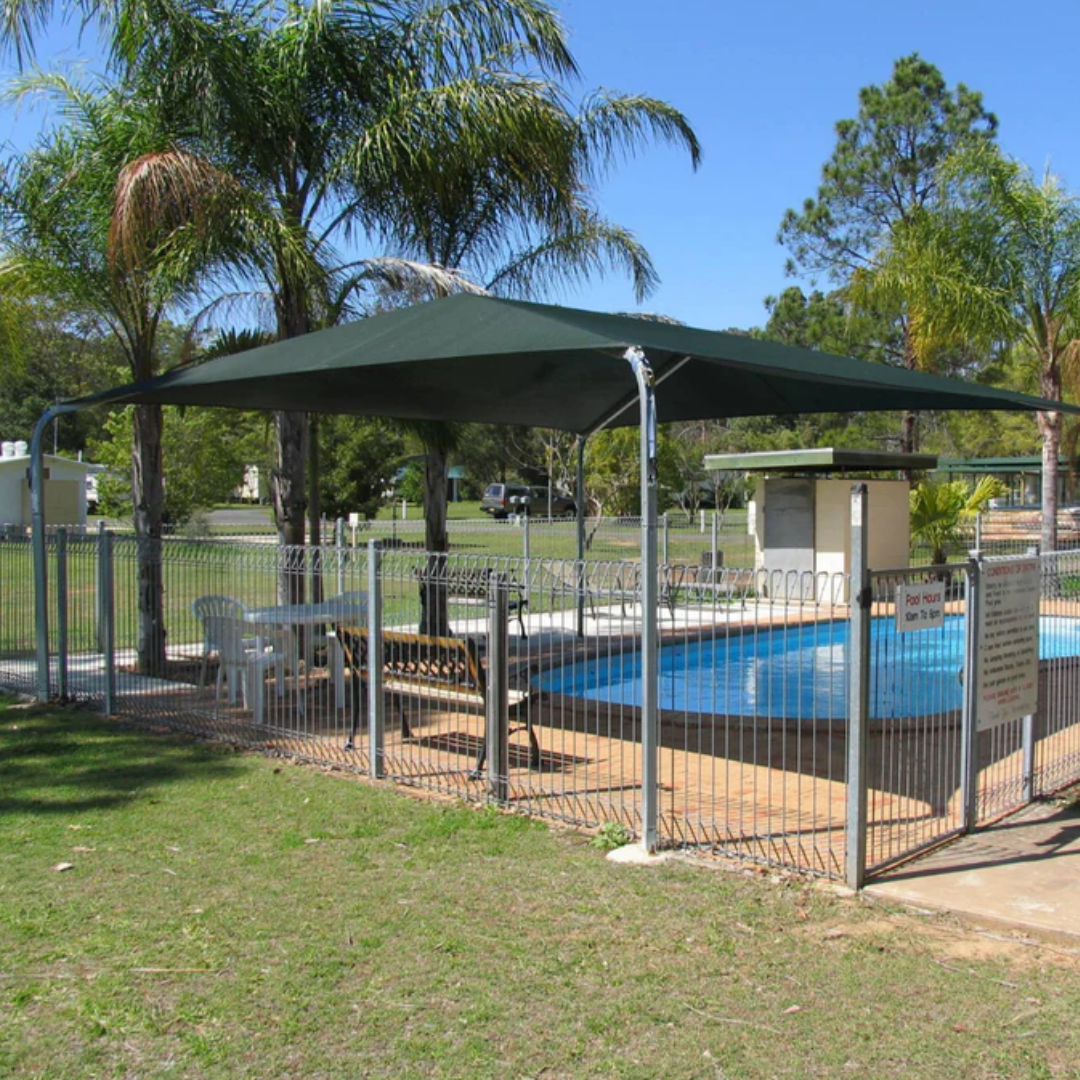

EXPLORE OUR SHADE SHEDS
Carport Shade Sheds
Explore our range of transportable carport shade sheds and discover the right solution for your space.


EXPLORE OUR SHADE SHEDS
Farming Shade Sheds
Explore our range of transportable farming and rural shade sheds and discover the right solution for your space.


See how customers around Australia are using their Shade Sheds
Customer Shade Sheds


THE TSS DIFFERENCE
Built on Experience. Made for Australia.
With over 20 years of experience and thousands of happy customers across Australia, we know what goes into a great shade shed.
We're proudly 100% Australian made, owned and operated, delivering quality shade shed solutions designed to withstand Australian conditions.
From your first enquiry to delivery, our team is here to make finding the right shade shed simple.
HOW IT WORKS
Four Simple Steps to Your New Shade Shed.
From your first enquiry to assembly, here's what you can expect.
Request a Quote
Tell us what you need to cover, your location and any specific requirements for your project.
Find Your Shed
Our team will help you explore suitable widths, lengths and configurations for your space.
Delivered to You
Your shade shed is supplied as one complete kit and delivered to your location Australia-wide.
Ready to Assemble
With a DIY-friendly design and slip-fit frame system, your shade shed is ready for assembly.
Ready to find the right shade shed for your project?
Get a Free QuoteFREQUENTLY ASKED QUESTIONS
Transportable Shade Sheds offers a range of widths to suit different storage and shade requirements, including 3170mm, 4670mm, 6170mm, 9000mm and 12000mm options. Whether you're looking to protect a vehicle, caravan, boat, machinery or equipment, our range provides solutions for residential, rural and commercial applications.
The right shade shed depends on what you're looking to cover, the available space and your preferred dimensions. Consider the width, length and height of your vehicle or equipment, along with any additional room you may need for access or storage. If you're unsure which option is best, our team can help you explore the available sizes and configurations.
Our shade sheds are available in a variety of sizes and configurations, with a selection of COLORBOND® steel colours to complement your property or surroundings. Available options may vary depending on the shed range and design. Contact our team to discuss the specifications and finishes available for your preferred shade shed.
Yes! Our shade sheds are designed for a wide variety of applications, from everyday vehicle and caravan protection to agricultural machinery storage, livestock shade and commercial equipment coverage. With multiple widths and configurations available, there's a shade solution for a range of environments and requirements.
Getting a quote is easy! Simply browse our available shade shed ranges, select the size or design you're interested in and submit an enquiry through our website. Our team can help you explore your options and provide a quote based on your requirements.
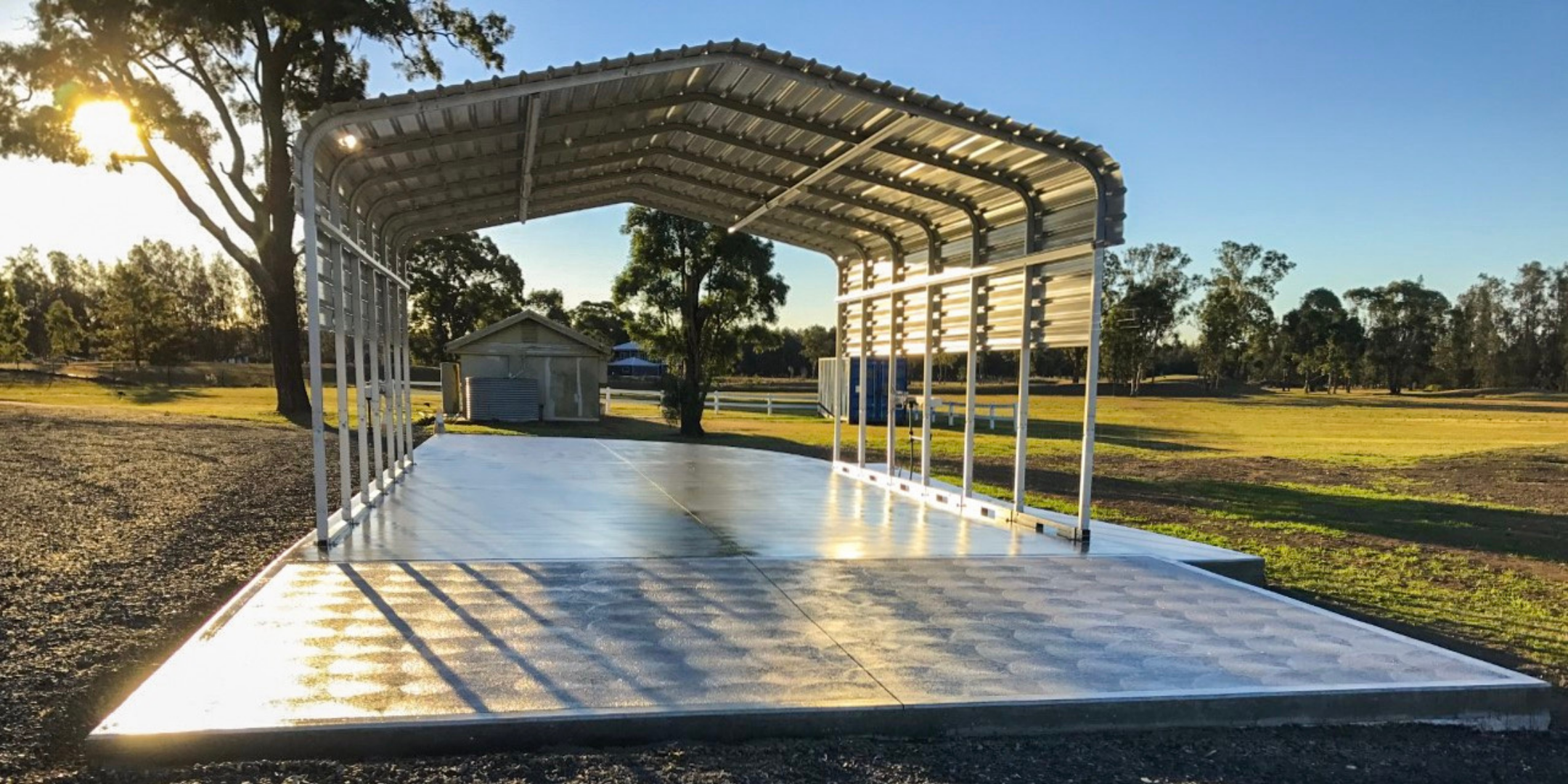
Subscribe to our newsletter
Enjoy exclusive offers, stay up-to-date with updates and tips. Join our community and receive an exclusive welcome offer.